Common Types of Storm Damage That Require Roof Repair
People searching for storm damage roof repair are typically looking to fix issues caused by common storm-related damage, and local contractors can help restore and protect their roofs effectively.
Storms can cause a variety of damage to roofs, making it essential for property owners to be aware of the common types of storm damage that require roof repair. Whether it’s fierce winds, heavy hail, or torrential rain, these weather events can compromise the integrity of a roof, leading to issues like missing shingles, dented surfaces, or leaks. Recognizing these signs early can help property owners take prompt action, ensuring that any damage is addressed before it worsens. Local contractors specializing in storm damage repair are equipped to assess the extent of the damage and provide the necessary repairs to protect the property’s structure and value.
Understanding the different types of storm damage that can affect a roof is especially practical for those living in areas prone to severe weather. Wind can lift or tear shingles, hail can cause dents and cracks, while heavy rain can lead to water intrusion if the roof’s protective layers are compromised. Being informed about these common issues encourages property owners to keep an eye out for signs of damage after storms and to seek professional help when needed. Service providers in the area are ready to assist with repairs, helping property owners restore their roofs and maintain the safety of their homes.
- Hail damage - homeowners might need roof repairs after hailstorms cause dents or cracks, with local contractors assessing and restoring affected roofing materials.
- Wind damage - strong winds can lift or tear shingles, prompting local service providers to perform repairs to prevent further leaks or structural issues.
- Heavy rain infiltration - persistent or intense rainfall can lead to leaks or water intrusion, with local pros inspecting and fixing compromised roof areas.
- Fallen debris - branches or other storm debris may damage roofing surfaces, and local contractors can efficiently remove and repair impacted sections.
- Ice dam damage - ice buildup can cause shingles to crack or lift, and local service providers often handle repairs to address water intrusion caused by ice dams.
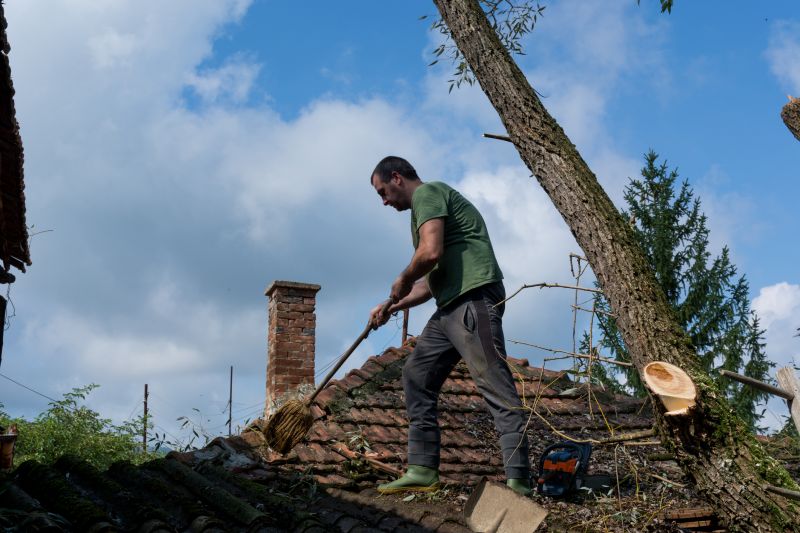
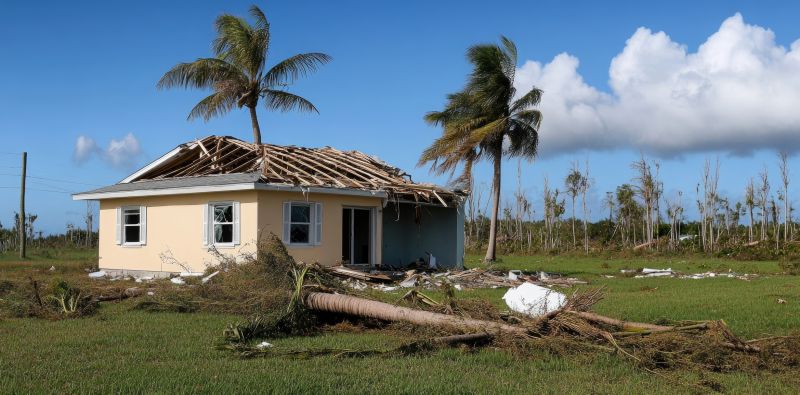
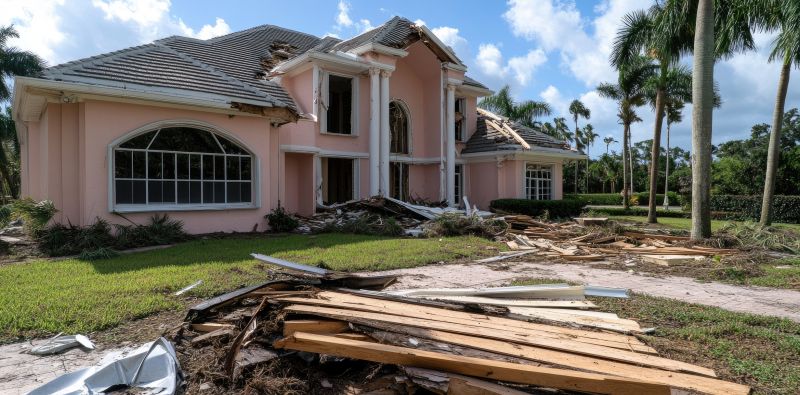
Understanding common types of storm damage that require roof repair is essential for homeowners who want to protect their properties from severe weather effects. When storms pass through an area, they can cause a range of issues that compromise the integrity of a roof. People searching for this topic often want to identify potential problems early, so they can seek professional repairs before minor issues develop into costly repairs or structural concerns. This exploration includes damage caused by high winds, hail, heavy rain, and fallen debris, all of which can create vulnerabilities in different types of roofing materials and structures.
Storm damage that necessitates roof repair typically involves physical impacts and weather-related stressors. High winds can lift or tear shingles, tiles, or other roofing materials, leaving the underlying structure exposed to the elements. Hailstones, especially larger ones, can leave dents, cracks, or punctures that weaken the roof’s surface. Heavy rain can lead to leaks if the roofing materials are compromised or if flashing and seals are damaged. Additionally, fallen branches or debris from storms can cause punctures or break tiles, creating entry points for water. Recognizing these problems helps homeowners understand when professional roof inspections and repairs are needed to maintain a safe and functional roof.
Different types of properties are affected by storm damage in various ways, with residential homes being the most common. Single-family houses often feature asphalt shingles, which are susceptible to wind uplift and hail damage. Multi-family buildings, such as apartment complexes, may have flat or low-slope roofs that are vulnerable to pooling water and wind damage. Commercial properties with metal or tile roofs can experience dents or cracks from hail, while older or poorly maintained roofs are especially at risk. Regardless of property type, storm damage can lead to leaks, structural weaknesses, and further deterioration if not addressed promptly. This makes it important for homeowners and property managers to connect with experienced service providers who can evaluate damage and perform necessary repairs.
Local storm damage roof repair service providers play a crucial role in helping property owners respond effectively to storm-related issues. These professionals are equipped to assess the extent of damage, recommend appropriate repair solutions, and restore the roof’s integrity. Whether dealing with minor shingle tears or significant structural damage, experienced contractors can help ensure that the roof is properly repaired to withstand future storms. Connecting with trusted local pros allows homeowners to access specialized skills and quality workmanship, making it easier to protect their properties from ongoing weather threats. Recognizing common storm damage types and knowing when to seek expert repair services can save time, money, and stress in the long run.
Gutter Repair Services - gutter repairs often involve similar planning and tools as storm damage roof repair, especially when addressing issues caused by heavy rainfall and debris buildup.
Attic Insulation and Ventilation - improving attic ventilation can prevent further storm-related damage and requires knowledge of roofing structures, making it a related project for local contractors.
Roof Leak Detection - identifying and fixing leaks caused by storm damage shares techniques and equipment with roof repair services addressing storm-related issues.
Storm Damage Assessment - evaluating the extent of storm damage to roofs involves similar inspection skills used in identifying common storm-related issues requiring repairs.
Flashing and Sealant Replacement - replacing or repairing flashing and sealants is a common task when addressing storm damage, requiring similar tools and planning as roof repairs.
Shingle Replacement Services - replacing damaged shingles caused by storms involves comparable skills and materials used in storm damage roof repairs to restore roof integrity.
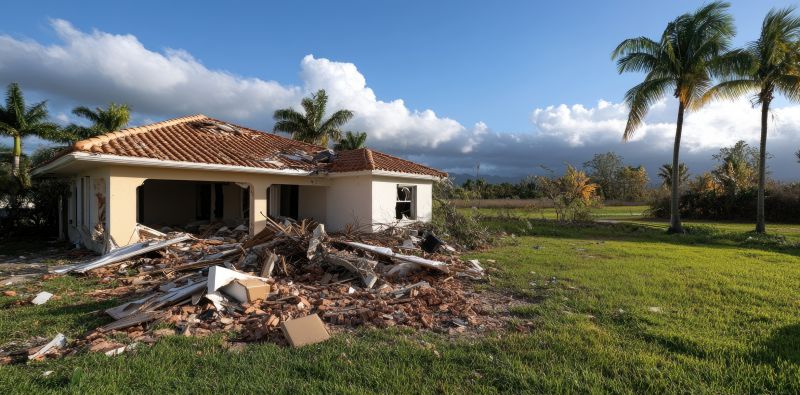
When comparing service providers for storm damage roof repair, it is important to consider their experience with similar projects. Homeowners should seek out local contractors who have a proven track record of handling storm-related roof repairs, especially those involving common types of storm damage such as wind-blown debris, hail impact, or water intrusion. An experienced contractor will be familiar with the specific challenges these types of damage present and will be better equipped to assess the extent of the repairs needed, ensuring that the roof is restored to its proper condition. Verifying a contractor’s history with projects similar in scope can help provide confidence that they understand the nuances involved in storm damage repair.
Clear communication and transparent written expectations are vital when selecting a service provider. Homeowners should look for local contractors who provide detailed explanations of the repair process, scope of work, and materials involved. This clarity helps prevent misunderstandings and ensures that both parties are aligned on what will be done. Good communication also includes responsiveness to questions and concerns, which indicates that the contractor values transparency and customer satisfaction. Having well-documented expectations can serve as a reference throughout the project, making it easier to address any issues that may arise along the way.
Reputable references and a history of trustworthy service are key factors to consider. Homeowners are encouraged to seek out local contractors with positive references from previous clients who experienced storm damage repairs. These references can offer insights into the contractor’s professionalism, quality of work, and reliability. Additionally, it is beneficial to work with service providers known for maintaining open lines of communication and providing updates throughout the project. Choosing a contractor with a solid reputation and transparent communication practices can help ensure the storm damage repair process proceeds smoothly and results in a durable, well-executed roof restoration.
Property owners often search for common types of storm damage that require roof repair when they are planning practical projects around their homes and businesses. Local pros provide Storm Damage Roof Repair services for everyday jobs and straightforward project options.
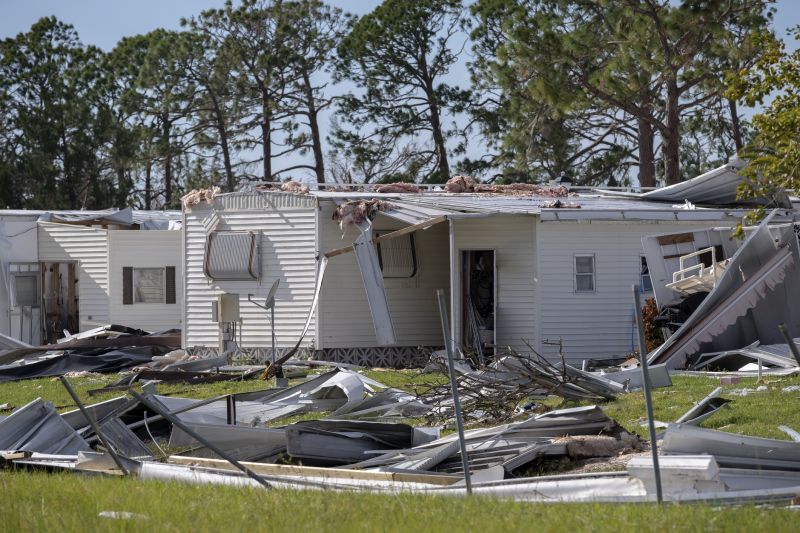
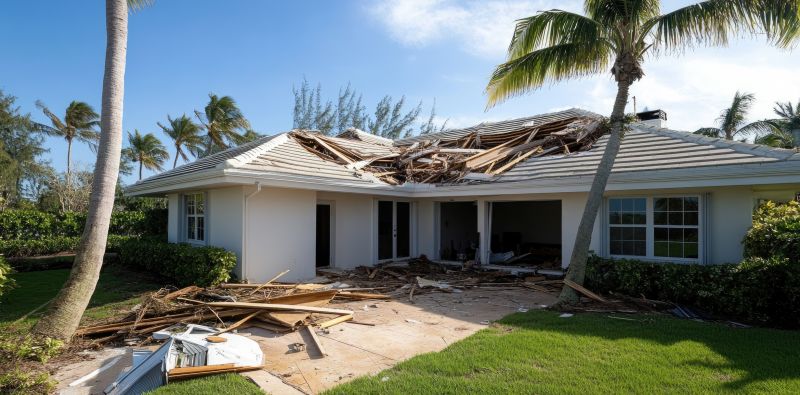
Storm damage can significantly impact the integrity of a roof, prompting property owners to seek repairs to prevent further issues. Common types of storm damage that require roof repair include shingles that have been blown off or broken by high winds, which can expose the underlying roof deck to the elements. Additionally, hail can cause dents or cracks in roofing materials, leading to leaks and structural vulnerabilities. Heavy rain associated with storms can also lead to water intrusion if the roof’s protective layers are compromised, making timely repairs essential to avoid water damage inside the property.
Property owners in the area often look into storm damage roof repair services after severe weather events that leave visible signs of damage or cause leaks. Local contractors experienced in handling storm-related issues can assess the extent of the damage, such as missing shingles, cracked tiles, or damaged flashing, and perform necessary repairs to restore the roof’s resilience. Addressing these common types of storm damage promptly can help maintain the building’s safety and protect against more costly repairs down the line.
What are common types of storm damage that require roof repair? Common types of storm damage that require roof repair include missing or damaged shingles, hail impact marks, and leaks caused by wind-driven rain.
How can hail damage affect a roof and necessitate repairs? Hail damage can create dents, cracks, or bruising on roofing materials, which may compromise the roof’s integrity and lead to leaks that need professional repair.
What signs indicate wind damage to a roof? Signs of wind damage include missing shingles, uplifted flashing, and debris accumulation on the roof, all of which should be evaluated by local contractors for repair needs.
Why is roof inspection important after a storm? Roof inspections after a storm help identify hidden damage such as cracks or leaks early, allowing local service providers to address issues before they worsen.
Can storm-related damage lead to future roof problems? Yes, storm damage like broken shingles or compromised flashing can lead to leaks and structural issues if not properly repaired by experienced local contractors.
Wind damage repair involves assessing and fixing roof shingles or panels that have been loosened or torn off by strong gusts, with local contractors providing expert repairs.
Hail impact restoration includes inspecting for dents or cracks caused by hailstones and restoring or replacing damaged roofing materials through professional services.
Storm debris removal focuses on clearing fallen branches, leaves, or other debris that can cause damage or clog gutters, with local pros helping to restore roof integrity.
Water leak repairs address leaks resulting from storm-related damage, such as damaged flashing or missing shingles, with experienced contractors providing effective solutions.
If you are thinking about common types of storm damage that require roof repair for a property, this guide is meant to help you understand this topic, the typical project types, and how different options might fit your plans.
When you are ready, you can use the quote form on this page to share a few details about your project. From there, local pros can review the basics and follow up with options that match what you have in mind.